
Why the New Year Triggers Anxiety for Some People
The start of a new year is often framed as hopeful, exciting, or motivating. Everywhere you look, there’s talk of fresh starts, reinvention, and becoming a “better” version of yourself. Yet, for many adult women, the new year brings something very different: anxiety, dread, pressure, or a quiet sense of unease.
If January leaves you feeling overwhelmed instead of inspired, you’re not broken and you’re definitely not alone. New year anxiety is a real and common experience, especially for women who tend to be high-functioning, self-reflective, or hard on themselves. When everything is supposed to feel new and promising, the internal pressure to feel excited can make anxiety at the start of the year feel even heavier.
This post explores why fresh starts can feel threatening, how anxiety shows up during this time, and gentle ways to support your nervous system without forcing change or positivity before you’re ready.

Why Fresh Starts Can Trigger Anxiety
While the idea of a fresh start sounds appealing, the nervous system doesn’t always experience it as safe. New beginnings often come with uncertainty, loss of predictability, and unspoken expectations, all of which can activate nervous system stress.
From a nervous system perspective, predictability equals safety. When routines shift, goals reset, or time feels symbolically significant (like the start of a new year), your system may interpret that change as a threat rather than an opportunity. This is especially true if you already live with anxiety or have a history of trauma.
For women with trauma histories, fresh starts can unconsciously signal risk. Past experiences may have taught your body that change leads to disappointment, loss, or pressure to perform. Even if your logical mind understands that a new year is just a date on the calendar, your body may respond as if something important is at stake.
Perfectionism also plays a role. The cultural message of “new year, new you” can quietly translate into: You should be better by now. That internal pressure to improve quickly, fix everything at once, or finally get it right can make January feel unsafe rather than motivating. Fear of failure, fear of getting your hopes up, or fear of repeating old patterns can all intensify anxiety at the start of the year.
Rather than signaling weakness, these reactions are protective. Your nervous system is trying to keep you safe from perceived overwhelm, disappointment, or threat.
How Anxiety Shows Up at the Beginning of the Year
New year anxiety doesn’t always look like panic. Often, it’s quieter and more internal, which makes it easy to dismiss or criticize yourself for feeling this way.
Common experiences include:
A sense of dread or heaviness as the year begins
Feeling frozen, unmotivated, or unable to start anything
Racing thoughts about everything you should be doing differently
Comparing yourself to others who seem excited or productive
Increased self-criticism or fear of falling behind
Physical symptoms like tightness in the chest, fatigue, disrupted sleep, or digestive discomfort
These responses are not signs that something is wrong with you. They are nervous system responses to pressure, uncertainty, and emotional load. When anxiety shows up in January, it’s often your system asking for safety, pacing, and reassurance, not more discipline or self-judgment.
Practical Ways to Support Anxiety in January
If fresh starts feel threatening, the goal isn’t to force yourself into optimism or productivity. It’s to create enough internal safety that your nervous system can soften over time.
Here are gentle, practical ways to support anxiety during the new year:
1. Slow Down the Timeline
You do not need to become a new version of yourself in January. Anxiety often spikes when the timeline feels urgent. Remind yourself that growth happens gradually, and there is no deadline for healing, clarity, or change.
Try shifting from “What should I fix this year?” to “What feels supportive right now?”
2. Anchor in the Present, Not the Whole Year
Thinking about an entire year at once can overwhelm the nervous system. Instead, bring your focus back to the present moment or the next small step. Today is enough. This week is enough.
Grounding practices like gentle movement, deep breathing, or noticing your surroundings can help regulate nervous system stress when your mind jumps too far ahead.
3. Release Comparison
Social media and cultural messaging often amplify new year anxiety by highlighting other people’s goals, routines, or transformations. Comparison fuels pressure and disconnects you from your own needs.
Your pace is allowed to be different. Your nervous system does not need to match anyone else’s timeline. You are running your own race.
4. Practice Self-Compassion Instead of Self-Correction
When anxiety shows up, many women respond with self-criticism: Why can’t I just be motivated? or What’s wrong with me?
A more regulating approach sounds like: Of course this feels hard. My system is under stress. I can be gentle with myself here. Self-compassion helps signal safety to the nervous system, which is often the first step toward real change.
5. Focus on Safety Before Goals
Before setting goals or resolutions, ask yourself what helps you feel grounded, supported, or emotionally safe. That might look like maintaining routines, prioritizing rest, or creating more emotional boundaries.
When your nervous system feels safer, clarity and motivation tend to follow naturally.
How Therapy Can Help with New Year Anxiety
If anxiety at the start of the year feels overwhelming or familiar, therapy support can help you understand and work with these patterns rather than fighting them.
Therapy offers a space to explore how your nervous system responds to pressure, change, and expectations. Together, we can identify how past experiences, trauma, or perfectionism may be shaping your relationship with fresh starts.
Through therapy, many women learn how to:
Regulate nervous system stress
Build a sense of internal safety
Develop self-trust instead of self-criticism
Approach change with flexibility rather than fear
Create goals that feel supportive instead of punishing
Rather than pushing you to “do more,” therapy focuses on helping you feel safer being yourself—especially during times of transition.
You Don’t Have to Do This Alone
If new year anxiety is showing up for you, it doesn’t mean you’re failing at fresh starts. It means your system is asking for care, understanding, and support.
If you’re curious about therapy support for anxiety, nervous system stress, or the pressure to constantly improve, I invite you to schedule a consultation. We can talk about what you’re experiencing and explore whether working together feels like a good fit.
You deserve support that meets you where you are not where you think you should be by now.

Joy Allovio, LPC is a licensed therapist, with over 8 years of experience supporting clients in Waco, Tx. She specializes in anxiety and trauma counseling for adult women and uses evidence-based approaches like EMDR to help clients reduce anxiety and get back to living their life. At Therapy with Joy, she is committed to providing compassionate, expert care both in-person and online for clients across Texas.
How Trauma Shows Up When Routines Reset
When Routine Changes Feel Bigger Than Expected
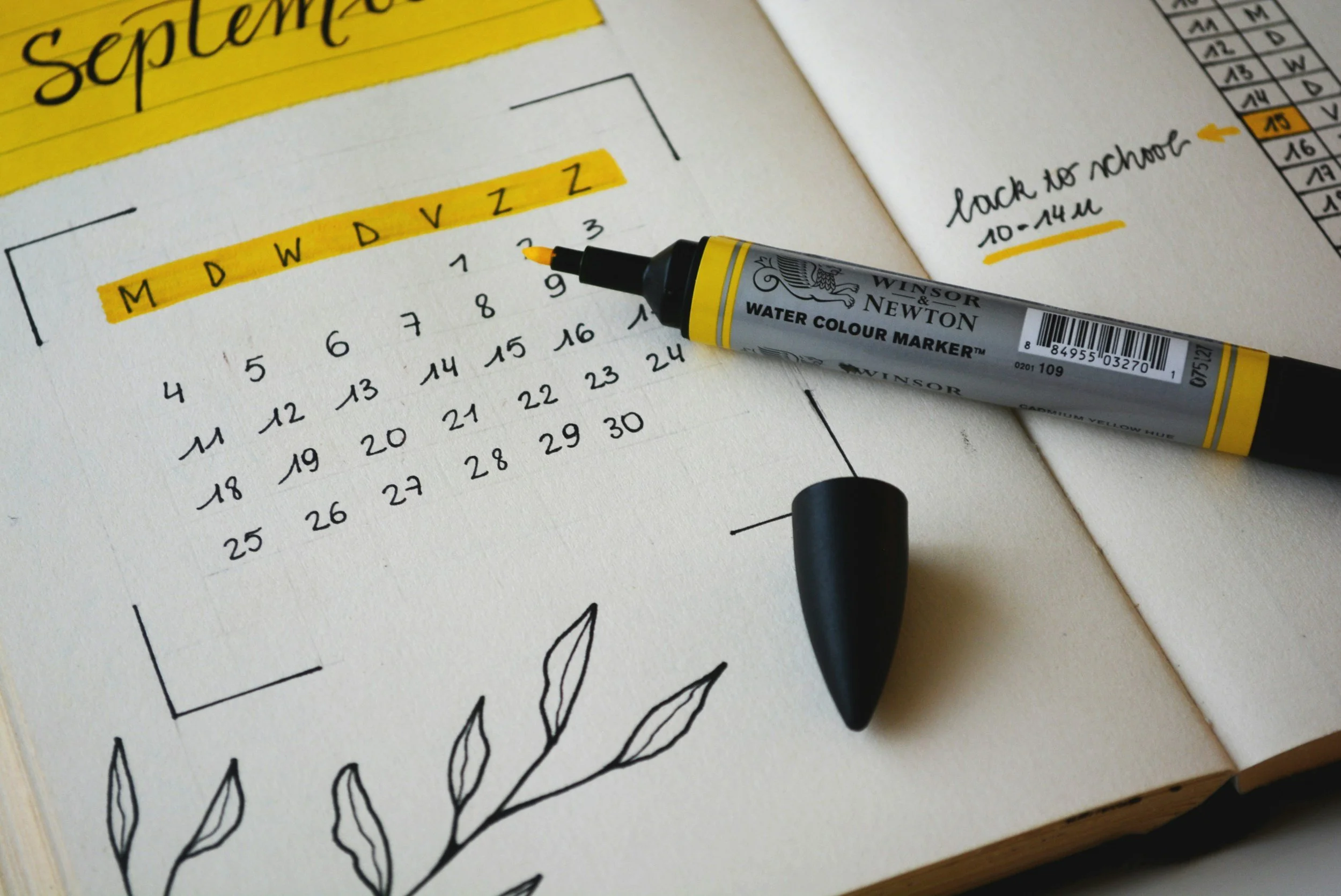
If you’ve ever noticed that a shift in routine like returning to work after a holiday, kids going back to school, or a schedule change leaves you feeling more anxious, irritable, exhausted, or emotionally shut down, you’re not alone.
For many adult women, routine changes can feel unexpectedly destabilizing. Even when life is objectively “back to normal,” your body may feel anything but calm. You might notice increased worry, difficulty focusing, a short fuse, or a heavy sense of dread that doesn’t seem to match the situation. These reactions can be confusing and frustrating, especially if you pride yourself on being capable, resilient, and high functioning.
What’s important to know is this: these responses aren’t a sign that something is wrong with you. They’re often a reflection of how trauma lives in the nervous system and how that system responds when predictability shifts.
How Trauma Impacts Routine and Predictability
Trauma trains the nervous system to prioritize safety above all else. When someone has experienced trauma, whether from a single event or ongoing stress, emotional neglect, or relational wounds the nervous system learns that the world can be unpredictable or unsafe.
Because of this, predictability becomes a powerful source of regulation. Routines help signal to the nervous system, “I know what’s coming. I can prepare. I am safe enough.” Over time, routines can act like scaffolding that holds things together.
When routine changes occur, even if their good changes, that sense of safety can be disrupted. The nervous system may interpret change as risk, not because the change is dangerous, but because uncertainty has historically been linked to threat.
This is why trauma and routine changes are so closely connected. A reset in structure can activate survival responses, even when your logical mind understands that everything is okay. Your body is responding based on learned patterns, not present-day reality.
Common Trauma Responses When Routines Reset
When routines change, trauma responses can show up in different ways. Some common reactions include:
Increased anxiety or excessive worrying
Irritability
Fatigue, brain fog, or difficulty concentrating
A sense of shutdown, numbness, or withdrawal
Trouble sleeping or changes in appetite
Feeling overwhelmed by tasks that usually feel manageable
These are not signs of weakness. They are nervous system automatic responses designed to protect you.
For some people, the nervous system shifts into fight or flight, leading to restlessness, tension, or heightened anxiety. For others, it leans toward freeze or shutdown, resulting in low energy, disconnecting, or emotional heaviness. Many women cycle between these states, especially during transitions.
Understanding these responses through a trauma-informed lens allows for compassion instead of self-criticism. Your nervous system isn’t broken, it’s responding the way it learned to survive.
Practical Ways to Support Yourself During Transitions
Supporting nervous system regulation during routine changes doesn’t require pushing yourself harder or forcing quick adaptation. In fact, gentleness and flexibility are often far more effective.
Here are some practical ways to support yourself during transitions:
1. Add predictability where you can
If part of your routine has changed, anchor yourself with small, familiar rituals: morning coffee, an evening walk, a consistent bedtime routine. These cues help your nervous system feel grounded.
2. Slow down transitions
Build in buffer time when possible. Rushing from one role or task to another can heighten stress responses. Even a few minutes to pause, breathe, or reset can make a difference.
3. Name what’s happening
Gently acknowledging, “My nervous system is adjusting,” can reduce shame and self-blame. Awareness alone can bring relief.
4. Engage the body
Nervous system regulation often works best through the body rather than the mind. Gentle movement, stretching, deep breathing, or grounding exercises can help signal safety.
5. Practice self-compassion
Instead of asking, “Why is this so hard for me?” try asking, “What do I need right now?” Compassion creates safety, which allows regulation to follow.
Remember, supporting trauma responses isn’t about eliminating discomfort its about increasing your capacity to move through change with more steadiness and care.
How Therapy Can Help During Routine Shifts
Therapy support can be especially helpful when routine changes consistently feel overwhelming or destabilizing. Trauma-informed therapy works with the nervous system, not against it.
Through therapy, you can learn to:
Recognize your unique trauma responses
Build tools for nervous system regulation
Increase emotional flexibility during transitions
Develop a deeper sense of internal safety
Respond to change with less fear and more self-trust
Rather than pushing yourself to “just cope,” therapy offers a space to understand why transitions feel hard and to develop sustainable ways of supporting yourself through them.
Noticing Without Judgment
As you move through routine changes, try gently noticing how your body and emotions respond without judgment or pressure to fix anything. Awareness is often the first step toward healing.
If transitions regularly leave you feeling anxious, depleted, or disconnected, you don’t have to navigate that alone. Therapy support can help your nervous system feel safer, more regulated, and more resilient during life’s inevitable shifts.
You deserve support that honors your experiences and helps you feel more at home in yourself even when routines reset.

Joy Allovio, LPC is a licensed therapist, with over 8 years of experience supporting clients in Waco, Tx. She specializes in anxiety and trauma counseling for adult women and uses evidence-based approaches like EMDR to help clients reduce anxiety and get back to living their life. At Therapy with Joy, she is committed to providing compassionate, expert care both in-person and online for clients across Texas.

How Therapy can help Women Struggling with Anxiety
You Don’t Have to Carry This Alone
If you're a woman feeling overwhelmed by anxiety, perfectionism, or self-doubt, you're not broken. You're exhausted. Therapy can help. I work with adult women who look like they have it all together, but inside they’re struggling to breathe under the weight of worry.
What Can Anxiety Look Like for Young Women?
It’s not always panic attacks. It might be:
Constant overthinking
Fear of disappointing others
Trouble sleeping or relaxing
Racing thoughts during class or work
Feeling like you’re never “enough”
Anxiety often hides behind high achievement and people-pleasing. But it doesn’t have to run your life.
How Therapy can Help
Therapy gives you a space to breathe and tools to begin to feel better.
1.First, we calm the nervous system.
Using mindfulness tools, I’ll help you build emotional regulation skills so you can feel more in control in your body and your mind.
2. Then, we challenge the inner critic.
With CBT, we’ll gently look at those harsh thoughts that say, “You’re not good enough,” and learn how to rewrite them with compassion.
3. Finally, we’ll heal the past.
If your anxiety is rooted in past wounds like a critical parent or toxic relationship, EMDR can help release the emotional charge so you can stop carrying it.
What it’s like to work with me.
My therapy style is warm, nonjudgmental, and collaborative. I’m not here to fix you. I’m here to support you in healing and becoming the best version of you.
I offer in-person sessions in Waco, TX and online therapy for adult women across Texas. I accept Aetna and Cigna insurance and also offer self pay at $130/session.
Let’s take the first step.
If you’re ready to start healing anxiety and reconnecting with yourself, I’d love to support you!
Visit www.therapywithjoy.net to learn more or book a free consult.
Anxiety 101
What is Anxiety?
Anxiety is your body’s natural response to stress. It’s that feeling of worry, fear, or nervousness that kicks in when you’re facing something uncertain or challenging. If you’re in a tough situation like speaking in front of a crowd or preparing for an exam, a little bit of anxiety can actually help you stay focused and motivated.
However, worry becomes a problem when it sticks around too long or happens too often. When it’s constant, intense, or hard to deal with, it can affect your daily life. Suddenly, things like school, work, or spending time with friends can feel overwhelming. You might avoid situations that make you anxious, procrastinate on school assignments, or struggle to sleep because you can’t stop all the thoughts.
The tricky thing about anxiety is that it doesn’t always make sense to those around you. You might feel worried and not know why. Your heart might pound even when you know you're not in real danger. This disconnect between what you feel and what you know can make anxiety frustrating and exhausting.
Think of anxiety as your brain’s built-in emergency alert system. Imagine you’re one of our ancient ancestors, and a predator suddenly appears. Your brain yells, “DANGER! DO SOMETHING!” Your heart races, your breathing speeds up, and your muscles prepare to fight, flee, or freeze. That alarm system kept people alive. Today’s “predators” might be exams, job interviews, awkward social situations, or big life decisions. Even though there isn’t any physical danger, your brain still hits that panic button, and you experience the same physical symptoms: a racing heart, tense muscles, and uneasy feelings.
Why Anxiety Feels So Intense for Teens and Young Adults
If you’re a teen or young adult dealing with anxiety, here’s why it feels so intense. Your brain is still under construction. The emotional part of your brain (the amygdala) develops faster than the part that helps you manage emotions and make rational decisions (the prefrontal cortex). This means big feelings like anxiety can make you feel overwhelmed and out of control.
When you add in school stress, friendship drama, dating confusion, family expectations, and the whole “What am I doing with my life?” question it becomes the perfect storm for anxiety.
How Anxiety Shows Up
Anxiety doesn’t look the same for everyone, but here are some common symptoms:
Physical: Racing heart, stomach in knots, headaches, muscle tension, shakiness
Emotional: Constant worry, irritability, feeling on edge, a sense of dread
Behavioral: Avoiding situations, procrastinating, needing constant reassurance, trouble sleeping
For parents: If your teen is withdrawn, irritable, or struggling with responsibilities, anxiety could be the cause.
There is Hope
Anxiety can feel overwhelming, but it doesn’t have to control your life. Understanding why it happens is the first step toward managing it. It’s not a sign of weakness. It’s your brain trying to protect you it just goes a little bit overboard sometimes. By understanding how anxiety works and why it happens, you can take the first step toward managing it and finding ways to feel more in control. Whether you’re battling anxiety yourself or supporting someone through it, know you’re not alone. There’s hope and there’s help.
Watch for upcoming posts on coping, resilience, and seeking support.